Charging
Where and how you charge
The charging location decides whether a PHEV saves or costs money. Three options and what they mean.
At home
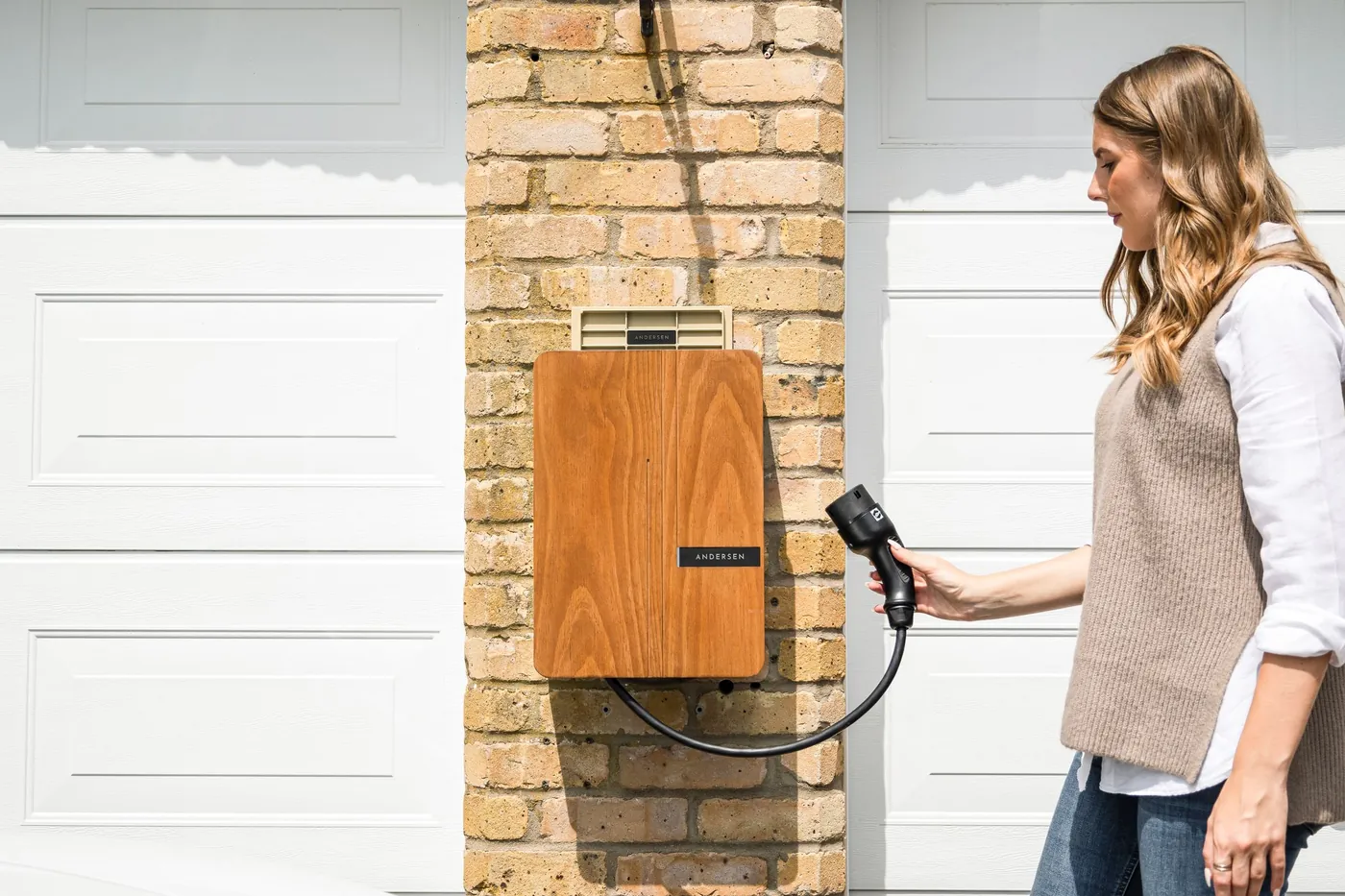
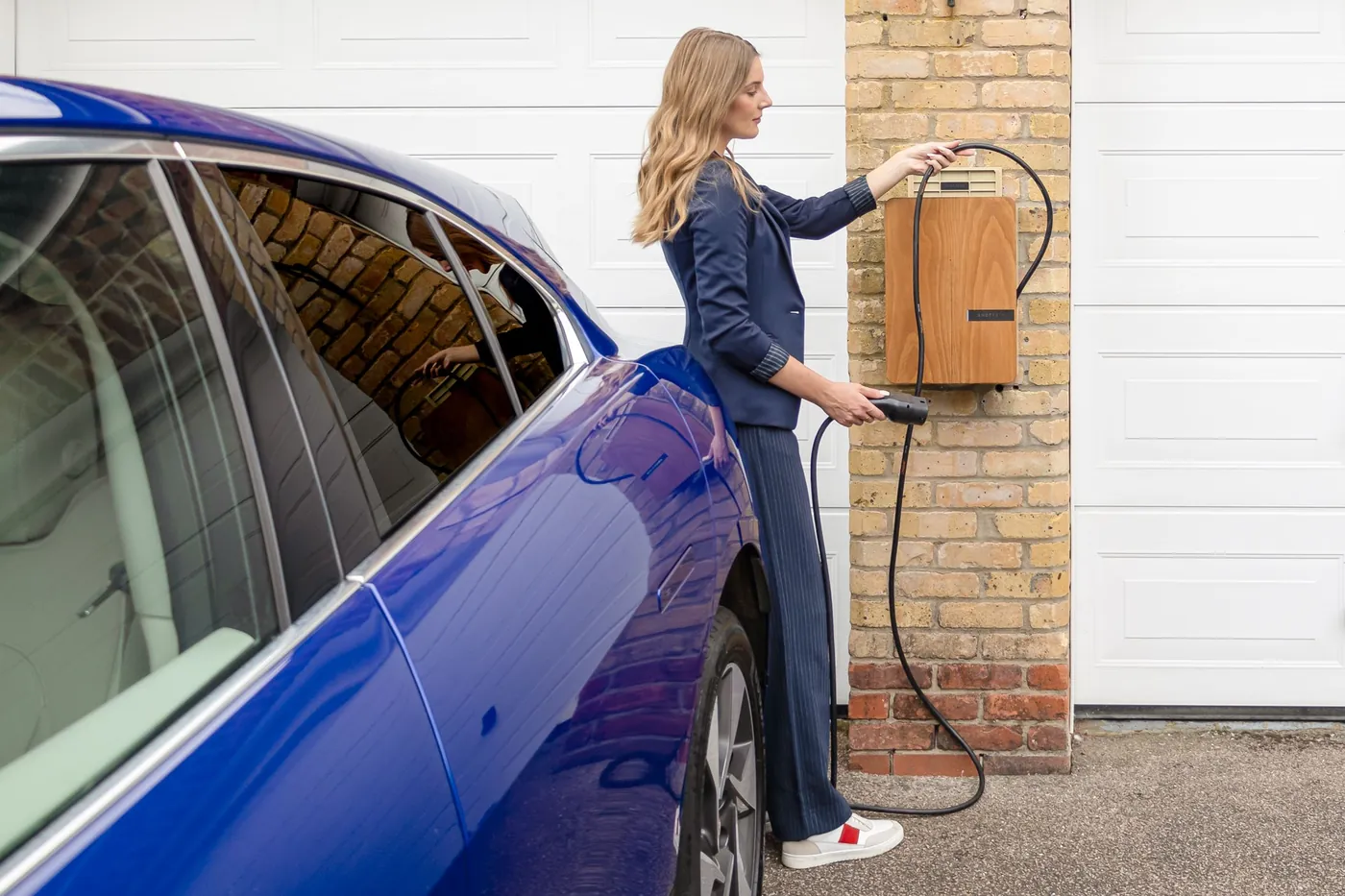
11 kW wallbox installed by a certified electrician, registered with the grid operator. Charge overnight at domestic rates, ideally with solar.
At work
Many employers provide chargers, often free or tax-free depending on the country. We help with the request and the agreement.
On the road
AC posts at 11 or 22 kW in cities, DC chargers only for PHEVs with DC capability. Choose a charging card with transparent tariffs and watch for idle fees.
Cost per 100 km electric
| Charging location | Price per kWh | Consumption | Cost per 100 km |
|---|---|---|---|
| At home | €0.30 | 20 kWh | €6.00 |
| At home with solar surplus | €0.10 | 20 kWh | €2.00 |
| Employer | €0 (free) | 20 kWh | €0 |
| Public AC | €0.50 | 20 kWh | €10.00 |
| Petrol (same car, empty battery) | €1.80/l | 7.5 l | €13.50 |
Sample prices, 2026.
Charging check
What we verify before you buy
- Parking space with power supply, or a feasible cable route?
- Grid connection and meter cabinet suitable for 11 kW three-phase?
- Tenant or owner: right to install a wallbox under national law?
- Employer with charging facilities?
- Public chargers within 500 metres of home and office?
The result is a charging plan with the electric share of your driving profile. Below 60 percent we usually recommend a petrol car or a full EV instead.